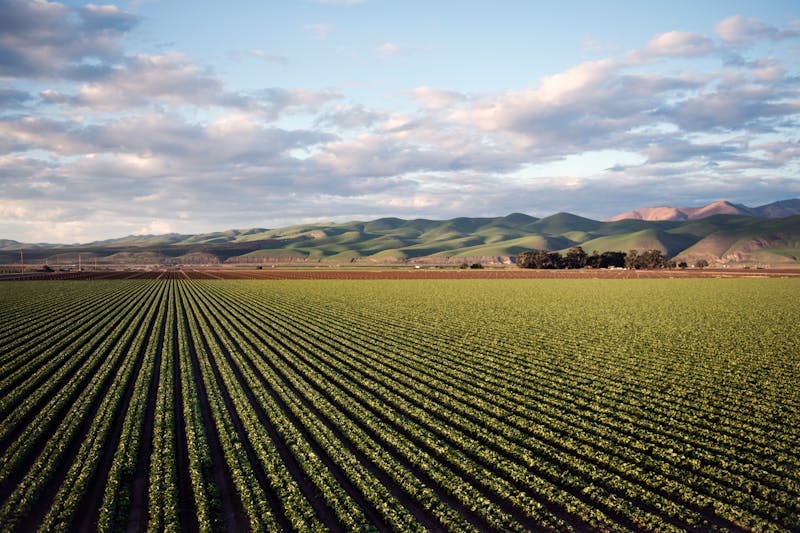
Increasing the Productivity of Grain Crops: Modern Agrotechnologies and Practices
Today, increasing agricultural productivity is not just about expanding irrigated lands, but also requires the effective application of scientific approaches and modern technologies. In this article, we will consider the main agrotechnological approaches aimed at increasing the productivity of grain crops (wheat, barley, oats).
First of all, increasing the genetic potential of grain crops is important. Thanks to the work of breeders, new varieties are being developed that are drought-resistant, disease-resistant, and high-yielding. However, simply choosing a good variety is not enough – it must be supported by proper agricultural techniques.
The second important factor is monitoring and managing soil fertility. The use of precisely calculated fertilizers, supplementation with microelements, and maintaining the soil's acid-base balance (pH) can increase productivity by 20-30%. Furthermore, introducing a crop rotation system – for example, replacing wheat with leguminous crops – naturally replenishes the nitrogen supply in the soil.
One of the modern agrotechnologies is precision farming. Analyzing data obtained through GPS navigation, drones, and sensors makes it possible to determine the individual needs of each plot. This contributes to the economical use of water, fertilizers, and pesticides, consequently reducing costs and minimizing environmental impact.
Also, optimizing irrigation systems is very important. The drip irrigation method not only saves water but also delivers the exact necessary moisture to the crop's root zone, which improves product quality.
In conclusion, increasing the productivity of grain crops is a comprehensive approach. Only by combining genetics, agrotechnics, digital technologies, and environmentally responsible management can stable high results be achieved. Our agroconsulting service offers personalized solutions based on the latest research and practical experience in this field.